Capability · Operations Infrastructure
Asset Management & CMMS
How a research centre stops running on Excel sheets and word of mouth, and starts running on a shared system.
The Problem
Word of mouth and spreadsheets stop scaling.
A small research centre runs fine on Excel sheets and informal coordination. Everyone knows where the tools live, who is using what, and when the last calibration happened. As the team and equipment fleet grow, that knowledge stops being shared by osmosis and starts living in the heads of a few senior people.
Equipment gets double-booked. Preventive maintenance slips. Shared assets disappear into individual project workspaces. The space itself starts to reflect the disorder, and the cost of every small task creeps up.
5S
Methodology underpinning the physical reset
CMMS
System managing PMs and shared asset use
1×
Source of truth for the full equipment fleet
↓
Time lost locating tools and chasing status
Step One · 5S Methodology
Resetting the physical space before introducing a system.
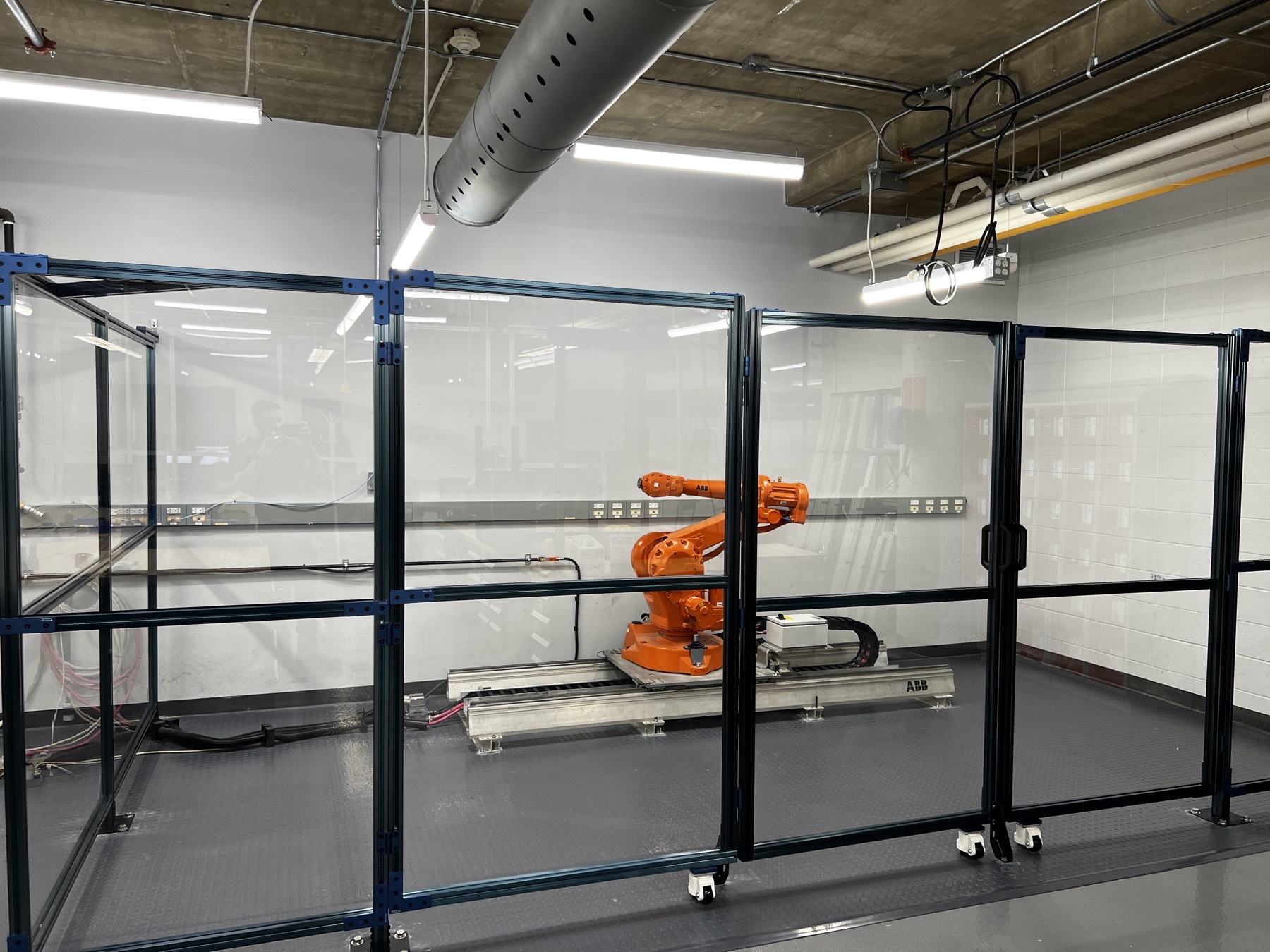
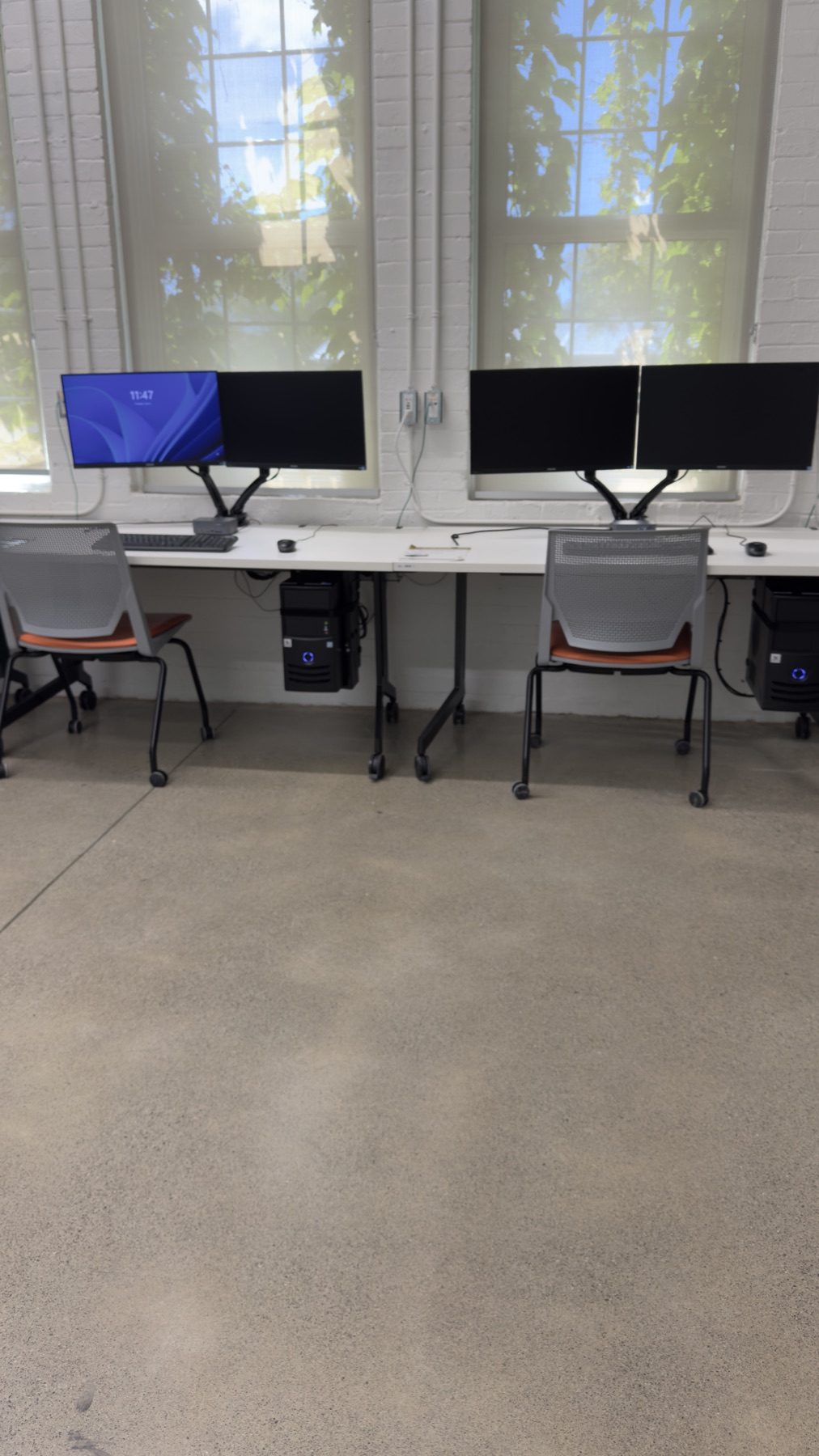
Before a CMMS can track anything reliably, the environment has to support it. 5S (Sort, Set in order, Shine, Standardize, Sustain) provided a structured way to reduce clutter, define a home for every tool and asset, and make the state of the space self-evident to anyone walking in.
 BeforeAfter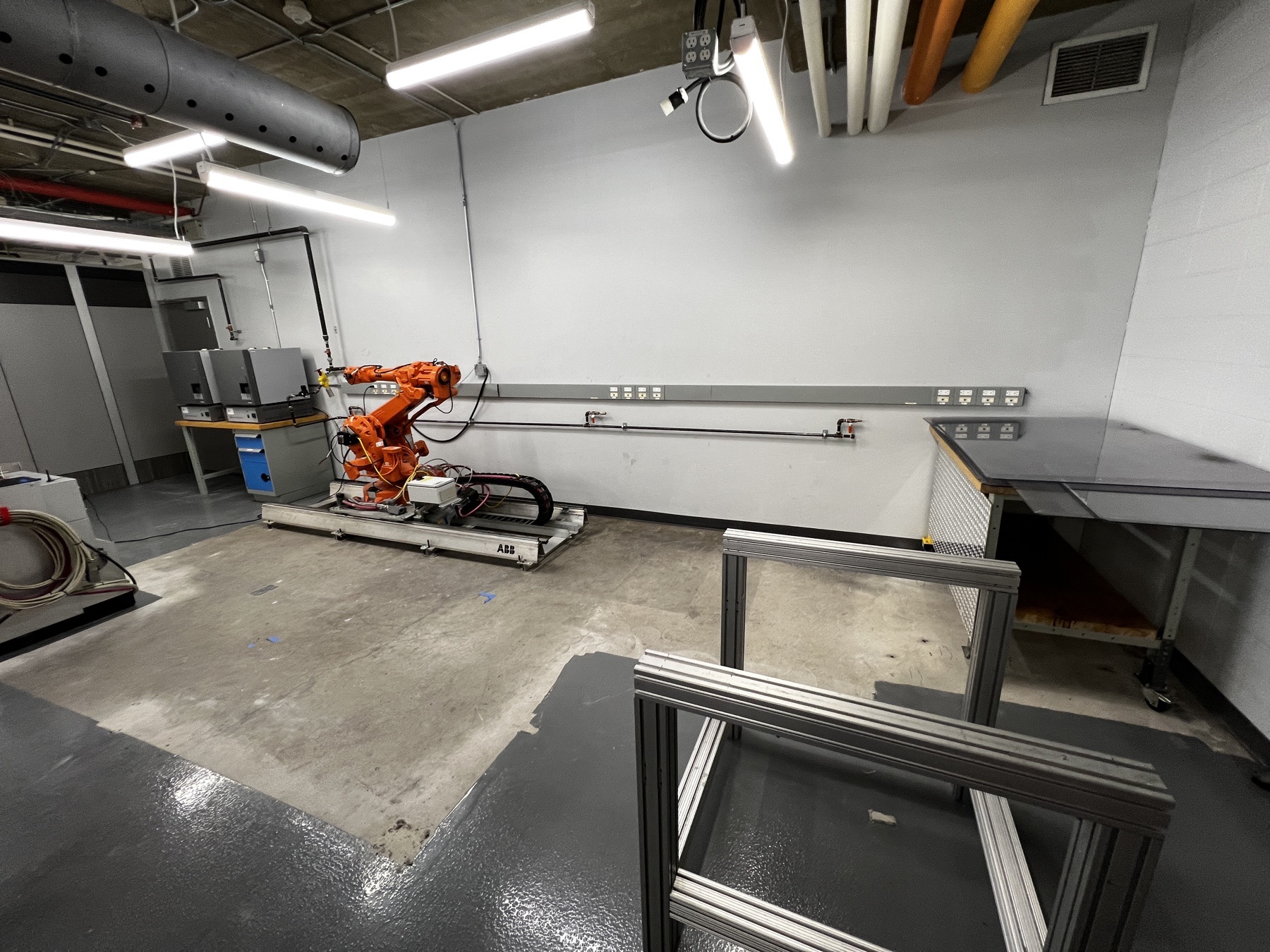
 BeforeAfter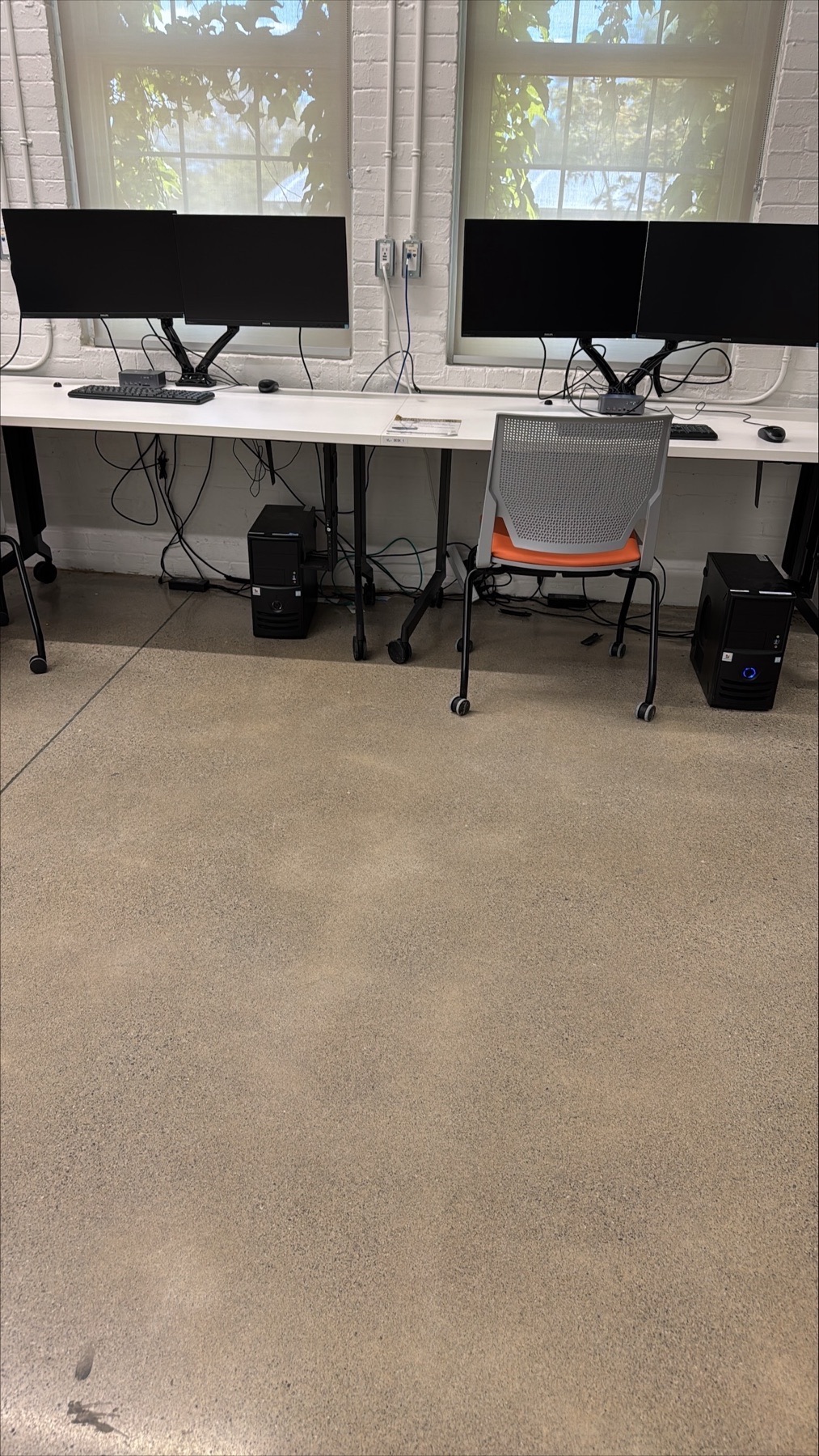
Step Two · CMMS Implementation
A shared system for maintenance and coordination.
With the space reset, the next layer was a CMMS to give the whole centre one place to track equipment, schedule preventive maintenance, log issues, and coordinate use across active projects.
It replaced a scatter of spreadsheets, email threads, and verbal handoffs with a single source of truth that scales with the team.
01 · Asset register
Cataloguing the fleet
Every major piece of equipment was photographed, tagged, and entered into the CMMS with manuals, maintenance history, and ownership. The register became the ground truth for what the centre actually has, not what people remember it having.
02 · Preventive maintenance
Scheduling instead of reacting
Manufacturer intervals and internal experience were translated into recurring PM schedules. Work orders surface automatically, so calibration and servicing happen on cadence rather than after a failure interrupts a project.
03 · Cross-project coordination
Shared assets, visible status
Researchers can see who is using a piece of equipment, when it is booked, and when it is next available. Conflicts that used to require a hallway conversation now resolve directly in the system.
04 · Sustained adoption
Lightweight enough to stick
Training was kept short, mobile-friendly, and tied to the same labels and zones introduced during the 5S reset. The system only works if people log into it, so the bar to do so had to stay low.
Want to work together?
I am open to discussing new projects and creative collaborations.